High-Efficiency Heating and Custom Hydronic Systems
40 years of Engineering Thermal Comfort
Experience the ultimate in winter comfort. We design, engineer, and install advanced hydronic in-floor heating systems and high-efficiency boiler plants across the South Okanagan. Rudy’s forty years of expertise ensures your heating system is custom-tailored to maximize efficiency, quietness, and lifetime durability.
Our Core Plumbing Services
UNMATCHED RADIANT COMFORT
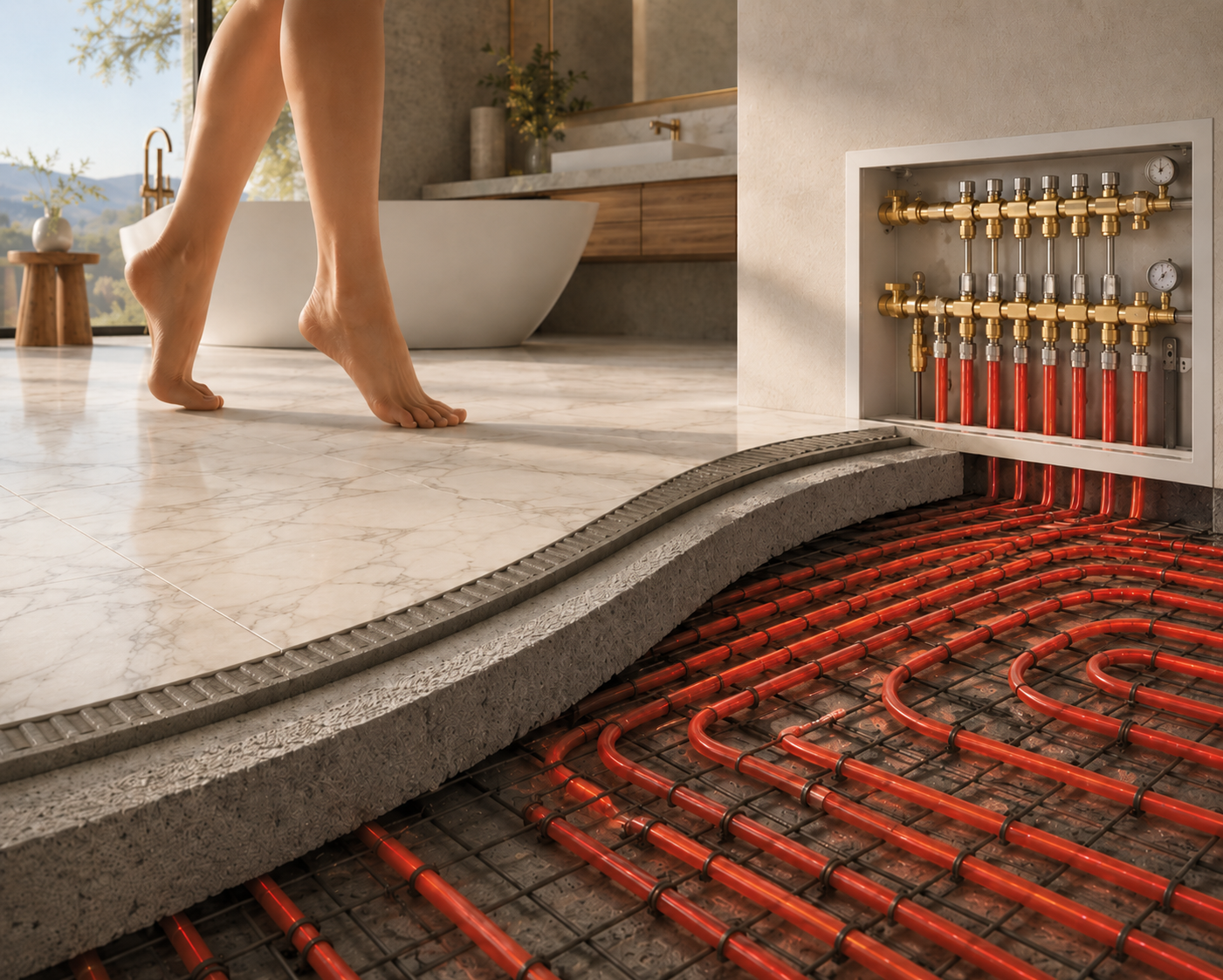
The Luxury of Radiant Hydronic Heating
THE MECHANICAL HEART
Advanced Boiler Retrofits and Installations
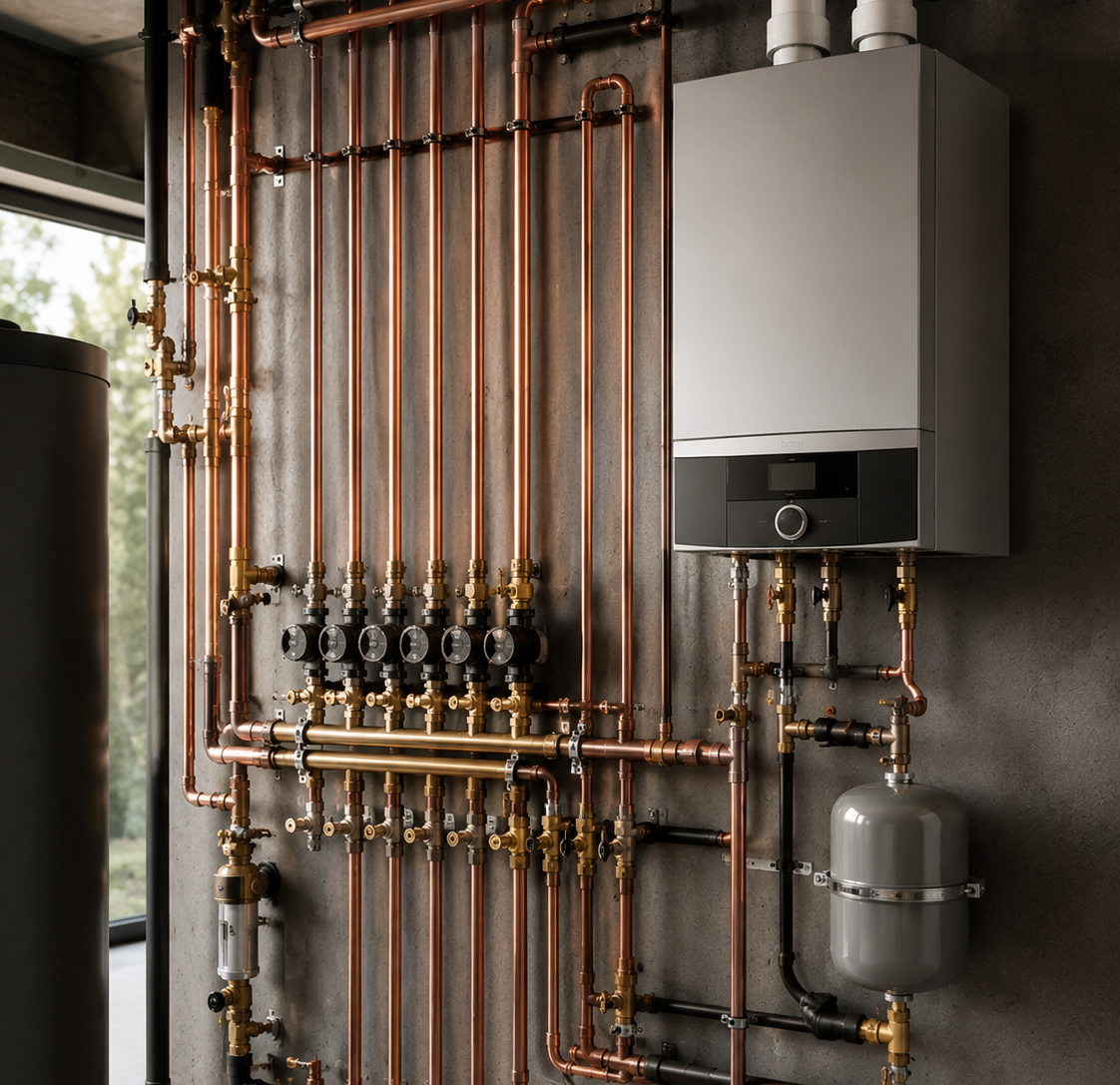
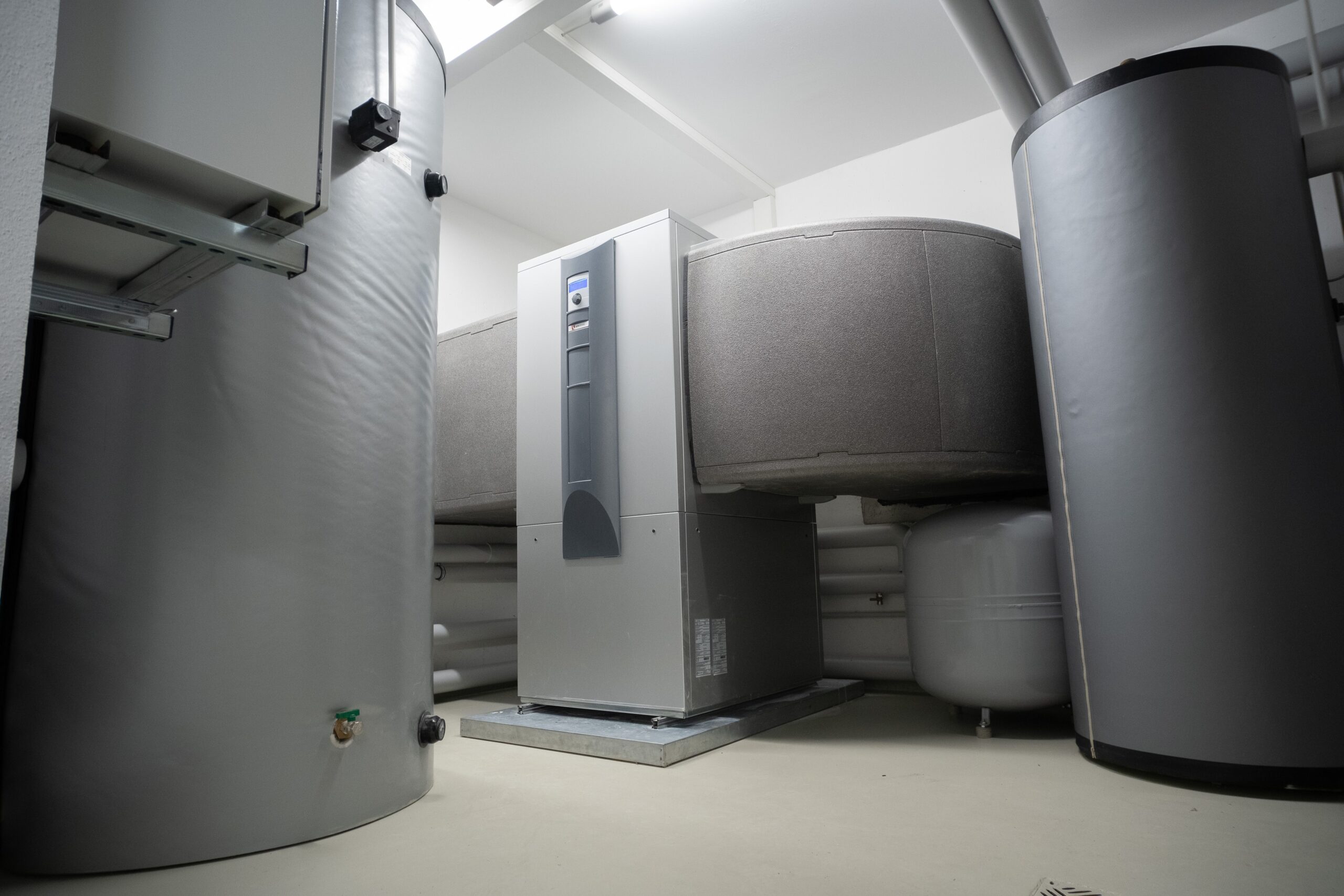
At the heart of every great hydronic or multi-source heating system is a high-efficiency boiler or water heating system. Older boiler systems often operate at efficiencies as low as 60%, wasting fuel and driving up utility bills. Modern condensing boilers can achieve efficiencies up to 98% by capturing and utilizing latent heat from combustion exhaust.
RNM Services specializes in designing and building custom mechanical boiler rooms. Whether you need a boiler replacement for an older estate or a complex multi-boiler plant for a commercial property, we recommend then install the best unit for the job . We organize the piping, pumps, and mixing valves into clean layouts that make maintenance straightforward and ensure decades of reliable operation.
DEPENDABLE WHOLE-HOME COMFORT
High-Efficiency Furnace Replacements and Upgrades
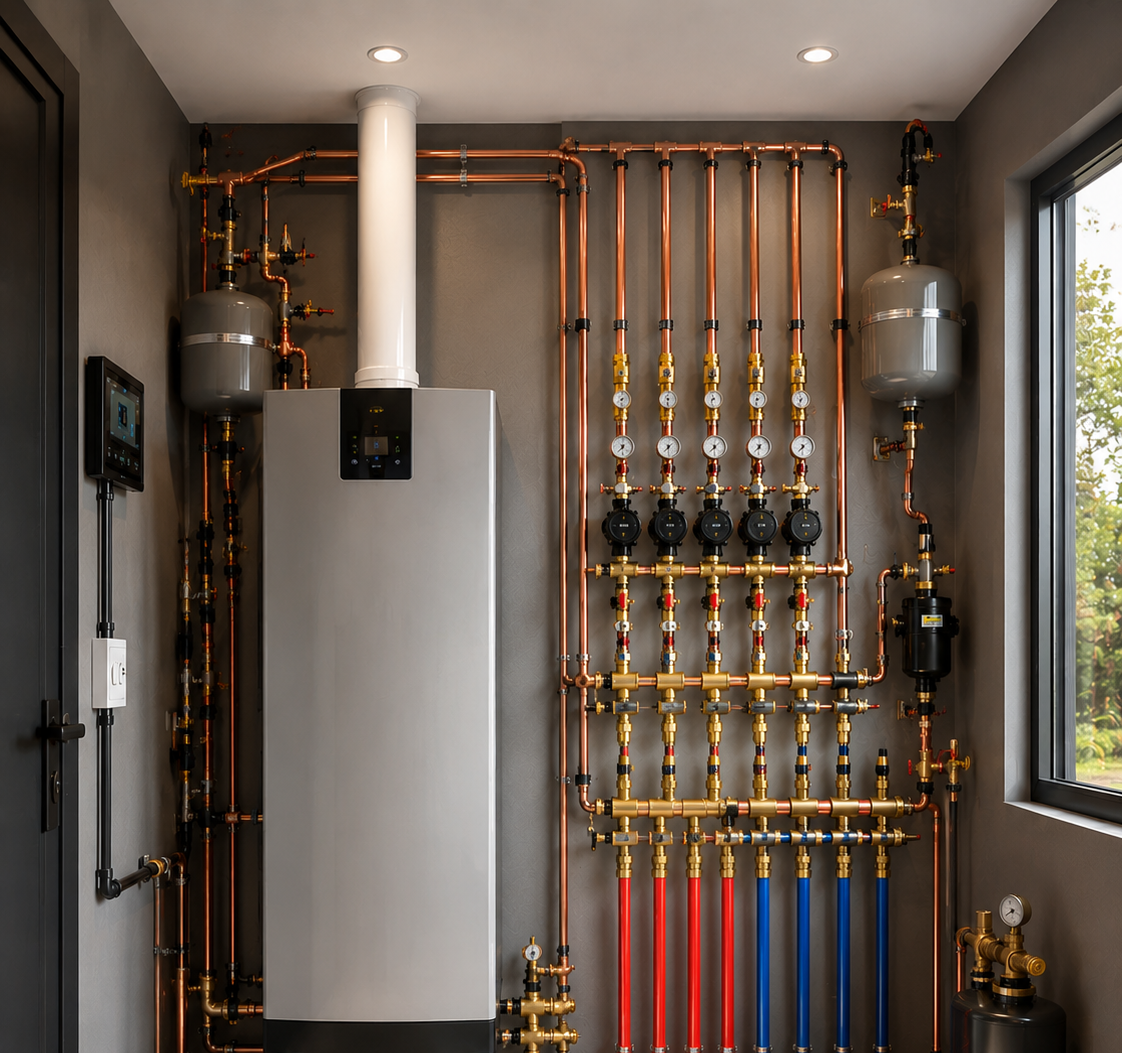
A modern high-efficiency furnace remains one of the most reliable and cost-effective ways to heat a home during the winter. Older furnaces can lose significant amounts of energy through outdated combustion systems, inefficient heat exchangers, and poor airflow performance. Today’s advanced condensing furnaces are engineered to achieve annual fuel utilization efficiency ratings of up to 98%, helping homeowners reduce heating costs while maintaining consistent indoor comfort.
RNM Services specializes in furnace replacements, system upgrades, and complete heating system installations for both residential and commercial properties. Every installation is carefully planned to ensure proper equipment sizing, balanced airflow, and optimal duct performance. Whether you are replacing an aging furnace or upgrading as part of a larger renovation, we install premium equipment designed for quiet operation, dependable performance, and long-term energy savings.
Heating, Boiler & Radiant Heating Questions Answered
What is a condensing boiler and why is it more efficient?
A condensing boiler is a modern, high-efficiency heating system that achieves up to 98% fuel efficiency. Unlike traditional boilers that let hot exhaust gases escape up the chimney, a condensing boiler passes these exhaust gases through a secondary heat exchanger. This cools the gases until the water vapor condenses, releasing latent heat back into your home’s heating loop. This process significantly reduces fuel consumption and lowers your monthly heating bills.
Can hydronic heating be retrofitted into an existing home?
Yes, hydronic heating can be retrofitted into existing homes, though the installation method depends on your home’s structure. If you have an unfinished basement or accessible crawlspace, we can install radiant tubing directly beneath your existing subfloor (known as a “joist-space” or “staple-up” installation). For homes with concrete slab floors, we can install low-profile overlay panels on top of the slab before laying new flooring.
Please bear in mind that every job is different. Contact Rudy at RNM Services to discuss the ideal retrofit path for your property.
How long does a high-efficiency boiler last?
A properly installed and maintained high-efficiency condensing boiler typically lasts 15–25 years. Factors such as water quality, system design, operating temperatures, and annual maintenance all affect service life. Regular servicing, including combustion analysis, heat exchanger cleaning, and system inspections, helps maintain peak efficiency and maximize equipment longevity.
What are the advantages of hydronic radiant floor heating compared to forced-air heating?
Hydronic radiant floor heating delivers heat evenly across the entire floor surface, reducing hot and cold spots commonly found with forced-air systems. Because heat is delivered through radiant energy rather than moving large volumes of air, radiant systems operate quietly and minimize the circulation of dust and allergens. Many homeowners find radiant heating provides superior comfort and can contribute to improved energy efficiency when properly designed and controlled.
Do boilers and hot water tanks require annual maintenance?
Yes. Annual maintenance helps ensure your boiler or hot water tank operates safely, efficiently, and reliably throughout the year. During a service visit, a technician will inspect critical components, verify system pressures and temperatures, test safety controls, check for leaks, and identify potential issues before they become costly repairs. For boilers, this may include combustion testing and heat exchanger cleaning. For hot water tanks, maintenance may include inspecting the anode rod, checking the pressure relief valve, and flushing sediment buildup from the tank. Regular maintenance can help extend equipment life, improve energy efficiency, and maintain manufacturer warranty coverage.
How much more efficient is a modern furnace compared to an older furnace?
Many older furnaces operate at efficiencies between 60% and 80%, meaning a significant portion of the fuel they consume is lost through the exhaust system. Modern high-efficiency condensing furnaces can achieve Annual Fuel Utilization Efficiency (AFUE) ratings of up to 98%, allowing more of the fuel you pay for to be converted into usable heat for your home. This can help reduce energy consumption and lower monthly heating costs.
How do I know when it's time to replace my furnace?
Common signs that a furnace may be nearing the end of its service life include rising energy bills, uneven heating, frequent repairs, unusual noises, and equipment that is more than 15 to 20 years old. While many furnaces can continue operating beyond this timeframe, upgrading to a modern high-efficiency system often improves comfort, reliability, and energy efficiency while reducing the likelihood of unexpected breakdowns.
What size furnace does my home need?
Furnace sizing should be based on a professional heat loss calculation rather than square footage alone. Factors such as insulation levels, window performance, ceiling height, air leakage, and local climate all affect the heating requirements of a home. An oversized furnace can short cycle and reduce efficiency, while an undersized furnace may struggle to maintain comfort during colder weather. Proper sizing ensures optimal performance, comfort, and energy efficiency.
Ready to Discuss Your Project?
If you are planning a custom home build, preparing a major renovation, or need to evaluate a complex retrofit, partner with a contractor who brings forty years of uncompromising standards to your job site.